
Paving that is still flat in ten years
Paving fails from underneath. The pavers themselves almost never let go first: the base does, and then you get the dip near the downpipe, the rocking paver by the back step, and the weeds coming up through joints that have spread.
So the part of this job worth paying for is the part nobody photographs. Getting the fall right so water leaves the house instead of pooling at it, compacting the base in layers, and setting the edges so the whole field cannot creep outwards.
We have laid everything from Littlehampton old red pavers on a cellar door courtyard to plain modern format through a back lawn. Old pavers are slower, because they are never quite the same size twice, and on the right building they are worth the extra day.
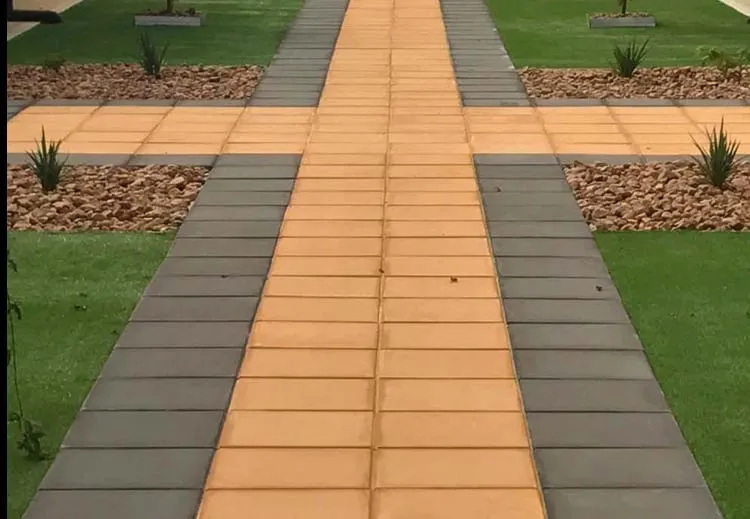
What is included
- Excavation and base preparation, compacted in layers
- Falls set so water runs away from the building, not into it
- Clay, concrete and stone pavers, including reclaimed old red
- Edge restraints, cuts and jointing
- Paths, courtyards, driveways and pool surrounds
Best suited to
- A courtyard or entertaining area that gets used year round
- Replacing paving that has sunk, cracked or gone weedy
- A path from the drive to the door that does not turn to mud
Paving questions
Can you match paving that is already there?
Sometimes. Clay pavers change colour over years in the sun, so a new paver next to a twenty year old one rarely matches even when it is the same paver. If you have spares put away, say so early, because that changes the plan. Otherwise the usual answer is to lift and relay what is there, or to make the new area deliberately different rather than almost the same.
Tell us about the job
Send it through and we will come and look at it. Quotes are free.